Conversations on science communication - Connecting the world, one webinar at a time - December 2025
Ruben Riosa and Ashish Avasthi share how a simple idea to connect MCAA members has evolved into a long-running global exchange of ideas. What began as a way to bring Working Groups and Chapters together has grown into a vibrant, inclusive space where researchers across disciplines and continents share insights, build connections, and keep the MCAA spirit of collaboration alive.
For readers who may not be familiar, could you introduce the MCAA Around the World Webinar (ATWW) Series?
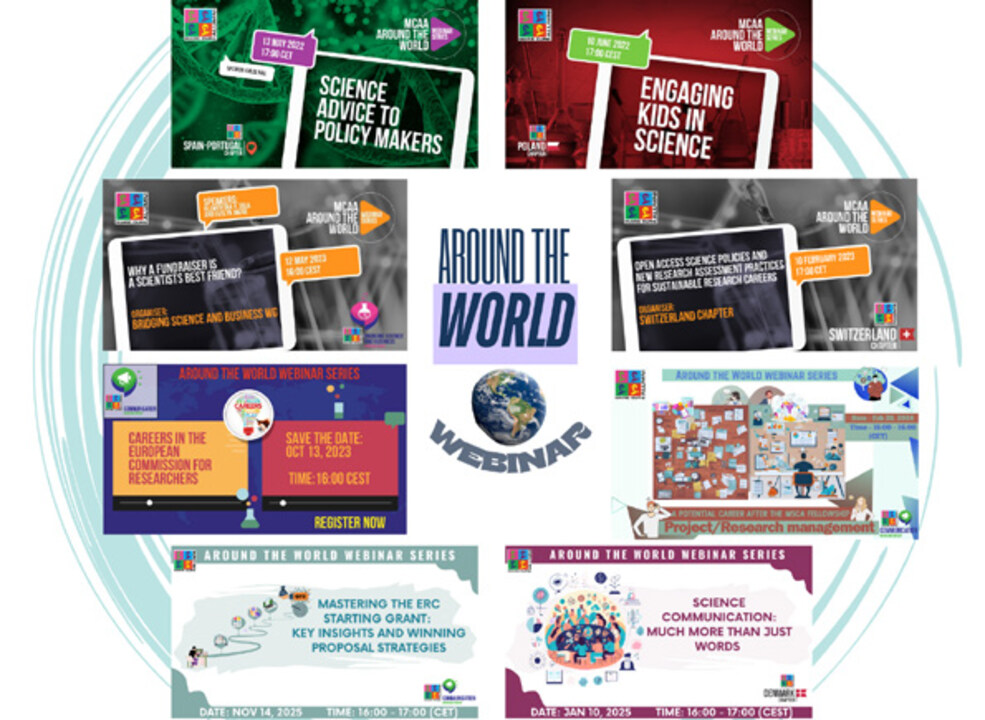
Ruben: The MCAA Around the World Webinar Series began about four years ago with the goal of connecting all the MCAA Working Groups (WGs) and Chapters to share knowledge on a variety of topics of interest, such as policy, science communication, research development, and much more. The scope of this series was to organise relevant events on a monthly basis as a way to showcase all the activities and knowledge that the MCAA has and that could potentially inspire other members and help the Association connect with an external audience.
How did the idea for the series come about, and what goals did the Communication WG hope to achieve when it was first launched?
Ruben: The idea started back in 2021 when I was the Chair of the Communication WG. We were trying to find ways to connect even more closely with our members. Around that period, there was a feeling that many events were already taking place, but there was not always strong collaboration between the different Chapters and WGs. For this reason, during one of the MCAA Board meetings, together with the then Vice-Chair Gledson Emidio, who was focusing on the management of the Chapters and WGs, we decided to create something that would connect our members and showcase all the areas of interest of the MCAA.
From that moment, we started organising monthly webinars (available on YouTube) covering a huge variety of topics. Our end goal was to create further connection and engagement between the different Chapters and WGs. And now, four years later, I can really see how beneficial this series has been, as I keep seeing more and more events being developed through collaboration between one or more groups.
The series has been running since 2021 and continues to attract a global audience. What factors do you think have contributed to its success and longevity?
Ruben: The main factor has probably been the variety of topics and the great speakers that we have managed to invite throughout the years. Being part of an Association of more than 23,000 members makes it easier to find experts on topics of shared interest. Secondly, the enthusiasm of the Chairs of the other Chapters and WGs towards the series, combined with the support from the Communication WG in setting up and promoting the webinars, helped greatly when busy schedules were always a challenge.
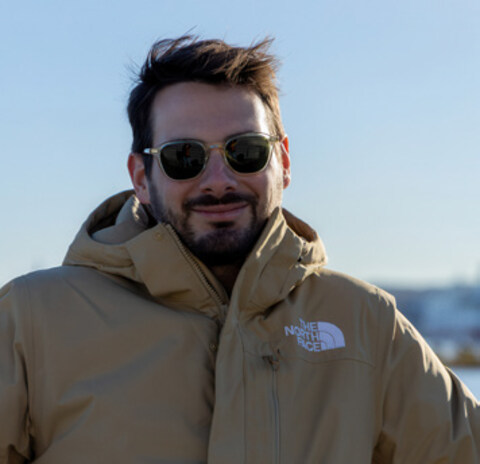
Ruben Riosa is the former Chair of the MCAA Communication Working Group and former MCAA Communication Manager. He currently works as a Medical Communications Manager at Excerpta Medica, a full-service medical communications agency serving the global pharmaceutical industry through healthcare strategy consultancy and communication programmes.
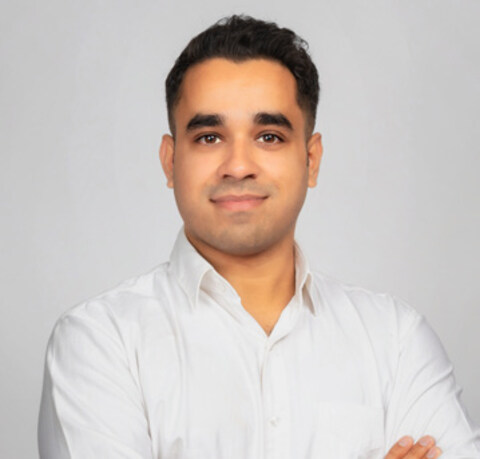
Ashish Avasthi is the current Chair of the MCAA Communication Working Group. He works as an Associate Consultant at Nordic Innovators, supporting EU funding initiatives in the healthcare sector.
Ashish: After seeing its initial success, I decided to continue this great initiative. I also owe its success to the hard work that Ruben put into it in the first years, without which I wouldn’t have had the foundation to continue. Now, of course, providing support and building relationships with all the speakers, Chapters, and WGs is important, but I think the sense of shared ownership is also very crucial, and that is why it has been so successful. Moreover, consistency also matters: maintaining a clear format and regular rhythm has helped the series become a familiar, reliable space for learning and connection across continents.

Could you share a few memorable moments or episodes that best capture the spirit and impact of the series?
Ruben: I think that there is no specific episode or moment that could really capture the impact of the series. For me, what summarises the spirit of the ATWW Series is the connections I made with all the other MCAA Chairs at the time. We were working together, creating something meaningful, which also helped us get to know each other much better. I can happily say that I became friends with a lot of them! This is the real impact, and what the MCAA is really about: Connecting people from all around the world who would have probably never had the chance to meet otherwise.
Ashish: I completely agree with Ruben. The spirit of the series has always been about connection. For me as well, some of the most memorable moments are not tied to a single webinar, but to the sense of global community that emerges when a speaker in one corner of the world engages live questions from members thousands of kilometres away. I also think of the sessions where early-career researchers presented alongside senior experts, and that is the essence of the MCAA: cross-generational exchanges, representing openness, mentorship, and shared curiosity. I admire how these webinars sometimes lead to something beyond the screen, such as new collaborations, joint proposals, or even local meetups that started from a chat in the Q&A box. Those moments remind me that the real value of the series isn’t only the talks themselves, but the networks and friendships that continue to grow from them.
In your view, how has the ATWW Series influenced science communication within the MCAA, and how do you see it contributing more broadly to research visibility and global engagement?
Ruben: The series has been and continues to greatly contribute to research visibility and global engagement. In fact, through these webinars, we were always capable of covering a multitude of different topics, with relevant speakers who can inspire and drive younger generations into this world. The fact that these webinars are online and available on YouTube for free allows many people to access and gain knowledge on topics that are sometimes only available through paid events, making accessibility one of the strongest points.
Ashish: The openness and accessibility of the series have been central to its impact. From my point of view, its influence goes beyond visibility. Since these webinars are not restricted to the MCAA community and are open to anyone interested, they not only enhance outreach but also create networking opportunities for everyone. Sometimes, our speakers have been early-stage researchers, which has helped their peers gain confidence in sharing their research in clear, engaging ways. Broadly, the series has positioned the MCAA as a truly international platform for dialogue, where research from different disciplines and regions can reach audiences that traditional conferences might not.
Finally, what does science communication mean to you both, and why do you think it matters now more than ever?
Ruben: Science communication, and communication in general, is everything. It allows us to exchange ideas, share concepts, and engage with others. Within the MCAA, communication is extremely important because it connects members and helps share all the fantastic activities being carried out. As Anne Roe said, “Nothing in science has any value to society if it is not communicated.”
Ashish: True, science communication is at the heart of how science serves society. For me, it is about building understanding and trust. It’s not only about translating complex research into simpler language but also about showing the human side of science — the curiosity, uncertainty, and collaboration that drive discovery. It matters now because we’re living in an age where information is abundant but trust can be fragile. When scientists learn to communicate clearly and listen actively, we help strengthen that trust and keep science anchored in public life. In that sense, good communication isn’t just a skill; it’s a responsibility. As we move forward, I see it continuing to play a role in fostering openness and mutual understanding between scientists, policymakers, and the public, showing how an alumni network can contribute to a more connected and communicative global research culture.
Interviewees
Ruben Riosa
MCAA Communication Working Group, former Chair
Ashish Avasthi
MCAA Communication Working Group, Chair
Srishti Goyal
MCAA Newsletter Editorial Board